
Advertisement
You've heard the buzz that bees play a vital role in our food chain, and you're probably wondering, Can I actually help from my tiny apartment? I'm here to tell you, yes, absolutely. I started my first potted bee garden three years ago on a cramped balcony, and within weeks, I had bumblebees and honeybees visiting my pollinator friendly container plants. You don't need a sprawling yard or a country meadow — just a few pots, some sunlight, and the right flowers. I'll walk you through exactly how to do it, so you can create a thriving container pollinator garden that makes a real difference for the bees right from your doorstep.
E.g. :3 Shady Lawn Solutions That Actually Worked for Me
- 1、How to Grow a Potted Bee Garden
- 2、Pollinator Friendly Container Plants
- 3、Common Mistakes to Avoid in a Potted Bee Garden
- 4、Seasonal Maintenance for Your Potted Bee Garden
- 5、Quick Checklist for a Successful Potted Bee Garden
- 6、How to Attract Native Bees to Your Potted Garden
- 7、Real Mistakes I Made and How You Can Avoid Them
- 8、Real Scenarios and Practical Solutions
- 9、FAQs
You've probably heard the buzz — bees are in trouble. Their numbers are dropping because we've paved over their meadows and sprayed their food with chemicals. But here's the thing: you don't need a farm to help. A few pots on your balcony or patio can turn into a thriving bee buffet. I started my first potted bee garden three years ago on a tiny apartment balcony, and within weeks I had bumblebees, honeybees, and even solitary bees visiting regularly. It's not just good for the planet — it's good for your soul. Watching a bee bury its face in a lavender flower is oddly calming. So let's get into how you can grow your own pollinator friendly container plants and make a real difference from your doorstep.
How to Grow a Potted Bee Garden
Choosing the Right Planter and Location
Pick a pot at least 12 inches wide. Bigger pots keep soil moist longer and give roots room to stretch. Aim for a spot with six hours of sun and some wind protection.
I've seen people try to grow a bee garden in pots using tiny 6-inch containers, and they always fail. The plants dry out before noon, and the bees don't stick around. Go big or go home — I use a 16-inch terracotta pot for my main container pollinator garden. It holds moisture, stays cool, and lets me plant a mix of tall and trailing flowers. Place it where it gets at least six hours of sun, but if you live somewhere scorching, afternoon shade saves the plants. Also, think about wind. Bees hate gusty conditions. I put my pots against a south-facing wall — it traps heat and blocks wind. The bees love that microclimate, and I water less often because evaporation slows down.
Planting and Soil Preparation
Use quality potting soil, not garden dirt. Add a layer of gravel at the bottom for drainage. Good soil makes happy roots and better blooms for bees.
The soil is the foundation. I buy a bag of organic container mix — it's light and full of nutrients. Don't use soil from your yard; it compacts and carries diseases. Here's my process: I cover the drainage holes with a coffee filter to keep soil from escaping. Then I add an inch of pea gravel. Then fill with soil halfway, arrange my pollinator friendly container plants, and fill the rest. I water thoroughly and let it settle. One trick: add a slow-release organic fertilizer for flowers. I use one with a low first number — like 5-10-5 — to encourage blooms over leaves. After planting, I mulch with pine bark to keep moisture in. Your potted bee garden will thrive with this base, and you'll see bees within days of the first flowers opening.
So, how do you make sure your container garden actually attracts bees? It's simpler than you think. You need flowers that produce both nectar and pollen, and you need to avoid any pesticides. Bees have amazing senses — they can spot a good meal from far away. So plant densely, with clusters of the same flower type. A single lavender plant might get some attention, but a big group of lavender screams "lunchtime" to every bee in the neighborhood. Also, provide a shallow water source — a saucer with pebbles and water. I've put a small birdbath on my balcony, and bees line up around it like a watering hole. Trust me, they'll come, and they'll keep coming back as long as you keep serving.
Pollinator Friendly Container Plants
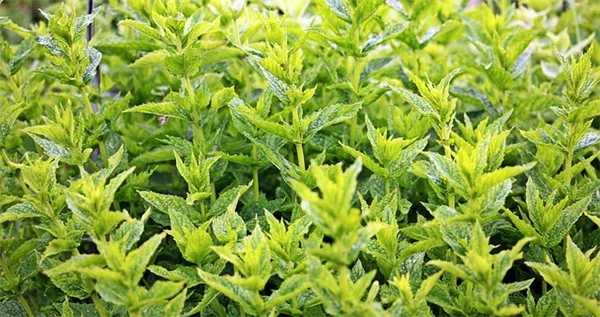 Photos provided by pixabay
Top Nectar-Rich Flowers for Containers
My favorites are Lavender, Coneflower, Cosmos, Lantana, and Salvia. They bloom nonstop and bees can't resist them. These are the superstars of any container pollinator garden.
Let me walk you through each. Lavender — 'Provence' or 'Munstead' varieties do great in pots. They love full sun and dry soil. Coneflower — I plant 'Purple Coneflower' because its big cone attracts bees like a landing pad. Cosmos — 'Sensation' mix grows tall and produces flowers all summer. Lantana — this one thrives in heat and humidity, and bees can't get enough. Salvia — 'Black and Blue' has deep blue flowers that bumblebees adore. I've grown all of these in containers, and they outperform many garden plants. The key is to choose compact varieties bred for pots. Look for labels that say "dwarf" or "container friendly." When you pick a mix of these, you create a potted bee garden that's both beautiful and functional. I've had years where the lavender alone attracted so many bees that the whole pot buzzed from dawn to dusk.
Combining Plants for Continuous Bloom
Plan for blooms from spring to fall. Pair early Thyme with late Sedum. Bees need food all season, not just a few weeks in summer.
I like to think of my bee garden in pots as a relay race. In early spring, Thyme and Catmint kick off the season. Then around June, Lavender and Coneflower take over. By mid-summer, Cosmos, Lantana, and Verbena are in full swing. For fall, Sedum 'Autumn Joy' and Blanket Flower keep going until frost. I also add annuals like Zinnia and Sunflower for extra color. You can plant everything in one large container or group several pots together. Grouping works better because you can move them around to chase the sun or protect from storms. And bees appreciate variety — they'll visit different flowers for different nutrients. I've watched honeybees work the coneflower in the morning and switch to lavender in the afternoon. It's like they have a routine. By staggering bloom times, your pollinator friendly container plants provide a constant nectar source, which is exactly what the bees need to thrive.
| Plant | Bloom Period | Sun Needs | Container Size | Notes |
|---|---|---|---|---|
| Lavender | June–August | Full sun | 12-16 inches | Drought-tolerant, needs good drainage |
| Coneflower | July–September | Full sun to part shade | 10-14 inches | Attracts butterflies too |
| Cosmos | June–October | Full sun | 8-12 inches | Self-seeds, easy from seed |
| Lantana | May–October | Full sun | 10-14 inches | Heat-lover, attracts hummingbirds |
| Sedum | August–October | Full sun to part shade | 8-12 inches | Succulent, low maintenance |
Common Mistakes to Avoid in a Potted Bee Garden
Overwatering and Poor Drainage
Overwatering is the number one killer. Stick your finger in the soil — only water when dry. Bees need healthy roots, not a swamp.
I've killed more plants by loving them too much with water than anything else. Bees need flowers, and flowers need oxygen at the roots. If you keep soil soggy, roots rot, and flowers fade. My rule: check soil moisture an inch deep. If it feels moist, wait. If dry, water deeply until it drains out the bottom. Also, never let your pot sit in a saucer of water — that's a death sentence. Elevate the pot with pot feet or bricks so excess water can escape. I lost a whole batch of Lavender to root rot because I used a pot without holes. Learn from my mistake: always drill holes if none exist. A well-drained container pollinator garden means your plants stay healthy, and the bees get better quality nectar. Don't drown your good intentions.
 Photos provided by pixabay
Top Nectar-Rich Flowers for Containers
Don't use garden soil or high-nitrogen fertilizer. They hurt bees and plants. Choose light potting mix and bloom-boosting, organic fertilizers.
Garden soil in a pot becomes a brick. I tried it once — my plants were stunted, and the soil turned into a hard lump. Use a light potting mix with perlite. For fertilizer, look for one labeled "bloom booster" with a low nitrogen number. High nitrogen makes leaves grow but stops flowers. I use an organic liquid fertilizer every two weeks during summer. Also, avoid anything with neonicotinoids — those pesticides kill bees. Even "plant food" can contain them. Read the fine print. I buy from reputable brands that advertise pollinator safe. Your potted bee garden should be a sanctuary, not a hazard. I've seen people use slow-release fertilizer pellets that contain insecticides — they meant well but accidentally poisoned the bees. Stick with natural options like compost tea or seaweed extract. Your pollinator friendly container plants will reward you with vibrant blooms, and the bees will thank you by sticking around all season.
Why should you bother with all this effort? Can't bees just find food somewhere else? Well, the truth is, bees are struggling. Urban areas have fewer wildflowers, and many parks use pesticides. Your balcony or patio can be a critical pit stop. A single pot of lavender can produce enough nectar to fuel hundreds of bee visits per day. Multiply that by a few pots, and you're making a real difference. Plus, you get to enjoy watching them work — it's incredibly satisfying. I sit with my morning coffee and watch the bumblebees tumble into the coneflowers. It's free entertainment with a purpose. So yes, your container pollinator garden matters more than you think.
Seasonal Maintenance for Your Potted Bee Garden
Spring and Summer Care
Spring: repot if rootbound, refresh soil. Summer: water regularly, deadhead spent blooms. Consistent care keeps bees happy all season.
In spring, I inspect my pots. If roots are circling the bottom, I move the plant to a larger container. I also scrape off the top inch of old soil and replace with fresh compost. Then I prune back any dead stems. As summer heats up, watering becomes daily. I water in the morning so leaves dry by night — wet leaves invite fungus. Deadheading is my favorite task. I walk around with scissors and snip off faded flowers. The plant responds by producing more buds. I also check for pests like aphids. A strong spray of water from the hose knocks them off without hurting bees. If you see bees on a flower, leave them alone — they're working. For your bee garden in pots, a little daily attention goes a long way. I've found that plants like Cosmos and Lantana bloom even more when you keep them tidy. And the bees never miss a beat — they'll be on the new flowers within hours.
Fall and Winter Preparation
Let some flowers go to seed for birds. Protect pots from freezing. Overwintering is tough, but your perennials can survive with a little help.
As fall approaches, I stop deadheading so seeds form. Birds love them, and some bees use hollow stems for nesting. When frost threatens, I move pots against a wall or wrap them with fleece. For perennials like Lavender and Sedum, I cut back foliage to a few inches above the soil and cover the pot with straw. In very cold climates, you can bury the pot in the ground or move it to an unheated garage. I keep my annuals like Cosmos and Zinnia in pots until they die, then collect seeds for next year. Overwintering is the hardest part, but with protection, your pollinator friendly container plants will come back stronger. And if you lose a few, that's okay — gardening is about learning. I've lost a Lavender or two to harsh winters, but now I know to use bigger pots and extra mulch. Your potted bee garden is a living project that evolves each year. Keep at it, and the bees will always have a place to land.
Quick Checklist for a Successful Potted Bee Garden
 Photos provided by pixabay
Top Nectar-Rich Flowers for Containers
Check your spot for six hours of sun. Bees love warm, sunny flowers — they produce more nectar. Water only when the soil feels dry an inch deep.
I keep a simple checklist taped to my watering can. First, sun exposure — I track how many hours my balcony gets in June. Second, wind protection — I move pots if they get battered. Third, water — I use a moisture meter because I overwater. I've learned that bee gardens in pots need consistency. If you skip watering for two days, flowers wilt and nectar production drops. But if you water daily without checking, roots rot. One trick: group pots together so they shade each other and retain moisture. I've also placed a shallow dish of water with pebbles nearby. Bees need water, not just flowers. On hot days, I see them lining up to drink. A simple checklist keeps your container pollinator garden on track, and that means more bees visit more often.
No Pesticides, No Exceptions
You cannot use pesticides in a bee garden. Even organic ones can harm bees if applied wrong. Stick to natural pest control like soap sprays or hand-picking bugs.
I once sprayed a mild neem oil solution on aphids, and I watched a bumblebee land on a treated leaf and stumble. It recovered, but I felt terrible. Now I avoid all sprays. For aphids, I blast them with water. For caterpillars, I pick them off by hand. If you have a bad infestation, you can use insecticidal soap, but apply it at dusk when bees are gone. Better yet, plant companion plants that repel pests. Marigolds and basil around your pollinator friendly container plants keep many bugs away naturally. I've also learned that healthy plants resist pests better. So feed your plants well, and they'll fight off trouble. The biggest risk is using a pesticide without knowing it — some "plant food" contains it. Read labels carefully. Your potted bee garden should be a safe zone. I'd rather lose a few leaves to aphids than harm a single bee. Trust me, the bees will thank you by pollinating everything in sight.
Why do you need to avoid pesticides so strictly? Can't you just use a little bit? The answer is no — bees are incredibly sensitive. Even trace amounts of certain chemicals can disorient them, making it hard for them to find their way home. A study from the University of Sussex found that bees exposed to common pesticides visited flowers less efficiently and produced fewer offspring. So a small amount of pesticide can hurt not just one bee, but an entire colony. If you want a thriving container pollinator garden, skip the chemicals entirely. It's safer for you, your plants, and the bees. I've seen gardens that used "bee-safe" pesticides and still had fewer visitors. The safest approach is no approach at all — just let nature handle it.
How to Attract Native Bees to Your Potted Garden
Understanding Native vs. Honeybees
Native bees — bumblebees, mason bees, leafcutter bees — are often better pollinators than honeybees. They work in cooler weather and visit more flowers per minute.
I used to think honeybees were the only bees that mattered. Then I learned about native bees. Bumblebees can buzz-pollinate, which means they vibrate to release pollen from tight flowers like tomatoes and peppers. Mason bees are incredibly efficient — a single mason bee can do the work of 100 honeybees. They're also gentler, rarely stinging. To attract them, I plant native flowers like Purple Coneflower, Bee Balm, and Goldenrod. I also leave bare soil in one corner of my pot for ground-nesting bees. And I avoid anything that's been treated with pesticides. Native bees are often more vulnerable because they don't have a hive to protect them. But they're also more adaptable. I've seen bumblebees nest in a stack of old flower pots. Your potted bee garden can be a haven for these local heroes. Just give them the right plants and a safe space, and they'll show up.
Providing Nesting Sites in Containers
You can create nesting spots for native bees. Leave hollow stems from dead plants, or add a simple bee house. They need a place to raise their young.
I started by leaving a few dead stems in my pots after fall cleanup. Instead of cutting everything back, I left some stems about 8 inches tall. In spring, I saw small holes in the ends — leafcutter bees had moved in. I also added a small bee house made from untreated wood with drilled holes. It hangs on my balcony wall, and every year I see bees using it. Make sure the holes are between 3/32 and 5/16 inch wide, and face them away from rain. You can also tie together bundles of hollow bamboo canes and place them in a dry spot. For ground-nesting bees, leave a patch of bare soil in a shallow dish. I've seen tiny sweat bees dig tunnels in mine. These nesting sites are crucial, especially in urban areas where natural spots are scarce. Your container pollinator garden can become a full habitat, not just a food source. It's rewarding to watch bees not just eat, but also raise their next generation right on your balcony.
| Bee Type | Size | Nesting Style | Best Plants | Notes |
|---|---|---|---|---|
| Bumblebee | 0.5–1 inch | Ground nests, old rodent burrows | Lavender, Coneflower, Salvia | Gentle, buzz-pollinates |
| Honeybee | 0.5–0.6 inch | Hive cavities | Cosmos, Lantana, Sunflower | Social, large colonies |
| Mason Bee | 0.3–0.5 inch | Hollow stems, holes in wood | Bee Balm, Goldenrod, Aster | Very efficient, solitary |
| Leafcutter Bee | 0.3–0.5 inch | Hollow stems, pre-made holes | Zinnia, Coneflower, Sunflower | Cuts leaf pieces for nests |
| Sweat Bee | 0.2–0.3 inch | Ground tunnels | Thyme, Sedum, Daisy | Attracted to salt in sweat |
Real Mistakes I Made and How You Can Avoid Them
Planting Too Few Flowers
One plant won't feed a bee. Group at least three of the same flower in a pot. Bees see large patches from far away and commit to visiting.
In my first year, I planted one lavender, one coneflower, and one cosmos in separate small pots. The bees came, but only for a few minutes each day. Then I saw a gardener friend with a massive pot of nothing but lavender. It was buzzing. I realized my mistake. Bees are efficient — they want to land on a big patch of food, not fly between scattered singles. So I consolidated everything into a single 18-inch pot with three lavender plants, two coneflowers, and three cosmos. The difference was immediate. Within a week, I had more bees than I could count. They spent hours working the cluster. If you only have space for one pot, make it a big one with multiple plants of the same species. A container pollinator garden works best when you think like a bee — they want abundance, not variety. Save the variety for different pots. Grouping is the secret.
Not Providing Enough Bloom Diversity
Bees need different flower shapes for different tongue lengths. Include tubular, flat, and daisy-like flowers to attract a wider range of bee species.
I used to plant only lavender and assumed that was enough. But I noticed larger bumblebees visited, while smaller ones didn't. Then I learned that bees have different tongue lengths. Short-tongued bees like sweat bees prefer flat, open flowers like daisies and zinnias. Long-tongued bees like bumblebees can reach into tubular flowers like lavender and salvia. So now I mix them. I plant tubular flowers like Salvia and Lavender for the long-tongued bees, and open flowers like Cosmos, Zinnia, and Coneflower for the short-tongued ones. I also add some shallow flowers like Thyme and Sedum. This way, every bee finds something. Your potted bee garden becomes a buffet for all sizes. I've even seen tiny metallic green sweat bees on my Thyme flowers — they're beautiful and completely harmless. Diversity in flower shape means more bee species, and that means better pollination for your whole area.
How do you know which flowers to choose for different bees? It's easier than you think. Look at the flower shape. If it's long and tubular, it's for long-tongued bees. If it's flat and open, it's for short-tongued bees. If it's a composite like a daisy with many tiny florets, it's for everyone. I use this simple rule when shopping: pick at least one flower from each category. A good mix includes Lavender (tubular), Cosmos (open), and Coneflower (composite). That covers almost all bees. And don't forget about color — bees see blue, purple, and yellow best. I've found that blue and purple flowers attract more bees than red ones, which are more for hummingbirds. So stick with the blue-purple spectrum for your pollinator friendly container plants. It's a small adjustment that makes a big difference.
Real Scenarios and Practical Solutions
What If You Have Shade?
You can still grow a bee garden in shade. Choose shade-tolerant flowers like Impatiens, Begonia, and Fuchsia. They produce nectar, just not as much as sun-lovers.
I have a friend with a north-facing balcony that gets almost no direct sun. She thought she couldn't help bees. But I suggested Impatiens, which bloom in shade and attract some bees. She also planted Fuchsia, which has tubular flowers that hummingbirds and some bees love. Begonias are another option — they have bright colors that bees can see. Even in shade, you can add a mix of herbs like Mint and Lemon Balm, which grow well without full sun and produce small flowers that bees visit. She also added a small water feature. Within a month, she saw her first bumblebee, a big one that seemed to love the Fuchsia. The key is to accept that you'll have fewer visits than a sunny garden, but every visit helps. Your container pollinator garden in shade still provides a critical resource in an urban area. Bees will find it, even if it takes longer. Don't let shade stop you. I've seen shade gardens that are just as lively, just with a different rhythm.
What If You Travel Often?
Self-watering pots are your best friend. They hold a reservoir of water that keeps soil moist for days. Pair with drought-tolerant plants like Lavender and Sedum.
I travel for work, and I used to panic about my plants drying out. Then I switched to self-watering containers. They have a bottom chamber that holds water, and a wick draws it up as needed. I can leave for a week and come back to healthy plants. I also choose plants that don't need daily attention. Lavender, Sedum, and Lantana are practically drought-proof. They thrive on neglect once established. Before I leave, I water deeply, fill the reservoir, and move pots to a spot with morning sun only. I also group them together to create a humid microclimate. When I return, the soil is still damp, and the bees are still visiting. One trip, I came back to find a bumblebee sleeping in a Lavender flower — it had figured out the schedule. Your potted bee garden can survive your absences with the right setup. It's about working smarter, not harder. And the bees will keep coming, even when you're not there to watch.
E.g. :Create a Balcony Pollinator Garden | U.S. Fish & Wildlife Service
Colorful Pollinator Container Garden Ideas - Monrovia
Pollinator Friendly Container Plants – Growing A Potted Bee Garden
Potted Plants for Pollinators | UC Davis Arboretum and Public Garden
What are your favorite flowers that do well in containers and ... - Reddit
FAQs
Q: What are the best pollinator-friendly container plants for a potted bee garden?
A: From my three years of trial and error on a small apartment balcony, I’ve found that Lavender, Coneflower, Cosmos, Lantana, and Salvia are absolute winners. These aren’t just random picks — they’re proven workhorses that bloom nonstop from summer through fall, and bees literally line up for them. Lavender varieties like ‘Munstead’ thrive in pots because they love dry, sunny spots and produce tons of nectar. Coneflower, especially ‘Purple Coneflower’, acts like a landing pad with its big, textured center. Cosmos is super easy from seed and keeps pumping out flowers even when you forget to water. Lantana handles heat like a champ and attracts bees, butterflies, and hummingbirds. Salvia ‘Black and Blue’ is a bumblebee magnet. My advice: choose compact dwarf varieties labeled “container-friendly” so they don’t outgrow your pots. Mix at least three of these, and your potted bee garden will be buzzing within days. I’ve watched honeybees work the lavender in the morning and switch to coneflower by afternoon — they clearly have favorites.
Q: How do I ensure my container bee garden provides food for bees all season?
A: The secret is to plan for a relay race of blooms from early spring right through to first frost. I start with Thyme and Catmint in April — they’re low-growing, tough, and attract the first hungry bumblebees. By June, my Lavender and Coneflower take over, followed by Cosmos, Lantana, and Verbena in mid-summer. For fall, Sedum ‘Autumn Joy’ and Blanket Flower keep the party going until November. I use one big 16-inch pot for perennials like Lavender and Sedum, then group smaller pots of annuals around it. This way, I can move them to chase the sun or protect from storms. Bees need a consistent food source, not just a few weeks of blooms. I’ve noticed that when my lavender fades, the bees shift immediately to the lantana — they’re smart like that. Stagger your planting times and choose varieties with long bloom periods. A well-planned container pollinator garden means you’ll have happy bees all year, and you’ll enjoy watching them change their routines with the seasons.
Q: What are the most common mistakes people make when starting a potted bee garden?
A: The biggest mistake I see — and I’ve made it myself — is overwatering. You love your plants and think more water equals more growth, but it actually kills roots and stops flowers. Stick your finger an inch into the soil; only water when it feels dry. Another killer is using garden soil in pots. It turns into a brick, roots can’t breathe, and your pollinator friendly container plants will struggle. Always use a light, commercial potting mix with perlite for drainage. Then there’s the fertilizer trap — high-nitrogen feeds make leaves explode but kill flower production. I use an organic bloom booster with a low first number like 5-10-5. And here’s a critical one: never, ever use pesticides, even “natural” ones with neonicotinoids. They poison the very bees you’re trying to help. I once bought a slow-release fertilizer that claimed to be safe, then found it contained an insecticide — I threw it away immediately. Your bee garden in pots should be a sanctuary. Check labels, ask your nursery, and stick with organic options. Avoid these pitfalls, and your container garden will thrive.
Q: How should I maintain my pollinator friendly container plants throughout the year?
A: Seasonal maintenance is simpler than you think, but it makes all the difference. In spring, I inspect my pots — if roots are circling the bottom, I repot into a larger container. I also scrape off the top inch of old soil and replace it with fresh compost. Then I prune back any dead stems from winter. Summer is all about watering and deadheading. I water deeply every morning so leaves dry by night — wet leaves invite fungus. Deadheading is my favorite job; I snip off faded flowers, and the plant responds by producing more buds within days. I also check for aphids — a strong spray from the hose knocks them off without hurting bees. In fall, I stop deadheading so seeds form for birds and some bees use the hollow stems for nesting. When frost threatens, I move pots against a wall or wrap them with fleece. For perennials like Lavender, I cut foliage back to a few inches and cover the pot with straw. In very cold areas, bury the pot in the ground or move it to an unheated garage. A little care each season keeps your potted bee garden strong year after year. I’ve lost a lavender or two to harsh winters, but now I know to use bigger pots and extra mulch. Gardening is a learning process — keep at it, and the bees will always have a place to land.
Q: Can I really help bees with just a few pots on a balcony or patio?
A: Absolutely — and I say this from personal experience. When I started my first potted bee garden three years ago on a tiny 4×6-foot balcony, I had doubts. Within two weeks, bumblebees, honeybees, and solitary bees were visiting daily. A single pot of lavender can produce enough nectar to fuel hundreds of bee visits per day. Multiply that by five or six pots, and you’re providing a critical food source in an urban area where wildflowers are scarce. Bees are struggling due to habitat loss and pesticides, so your balcony becomes a pit stop, a refueling station, and even a nesting site. I’ve added a shallow water dish with pebbles, and bees line up like it’s a watering hole. It’s not just about quantity — quality matters. Choose pollinator friendly container plants that bloom continuously, avoid all chemicals, and place your pots in full sun with wind protection. You’ll be amazed at the variety of bees that show up. I’ve spotted at least six different species on my balcony. Yes, a few pots make a real difference. Plus, watching them work is oddly calming — I drink my coffee and feel like I’m part of something bigger. So start small, be consistent, and your bee garden in pots will be a thriving haven.
Previous: 3 Shady Lawn Solutions That Actually Worked for Me
Next: I Grew an Umbrella Plant in Water for 4 Years – My Tips
Recommended
-
3 Shady Lawn Solutions That Actually Worked for Me
-

Indoor Bulb Gardening: Forcing Spring Blooms in 5 Easy Steps
-

The Best Full Sun Evergreens for Your Yard (No More Brown Needles)
-
I Grew an Umbrella Plant in Water for 4 Years – My Tips
-

How to Spot and Stop Cucumber Anthracnose
-

7 Top Cold Tolerant Perennial Flowers for North Central States